„Architecture creates atmospheres… art creates ’nothing‘ but itself.“ — Martin Pot
The Crisis of the Static Shell
In his recent paper, Architecture: place, atmosphere and agency, Martin Pot identifies a fundamental confusion in how we design our world: the confusion between „building“ and „architecture.“ Building is static; it creates inert objects and „secluded cells.“ Architecture, however, should be „processual“—an adaptation of space to human needs that evolves over time.
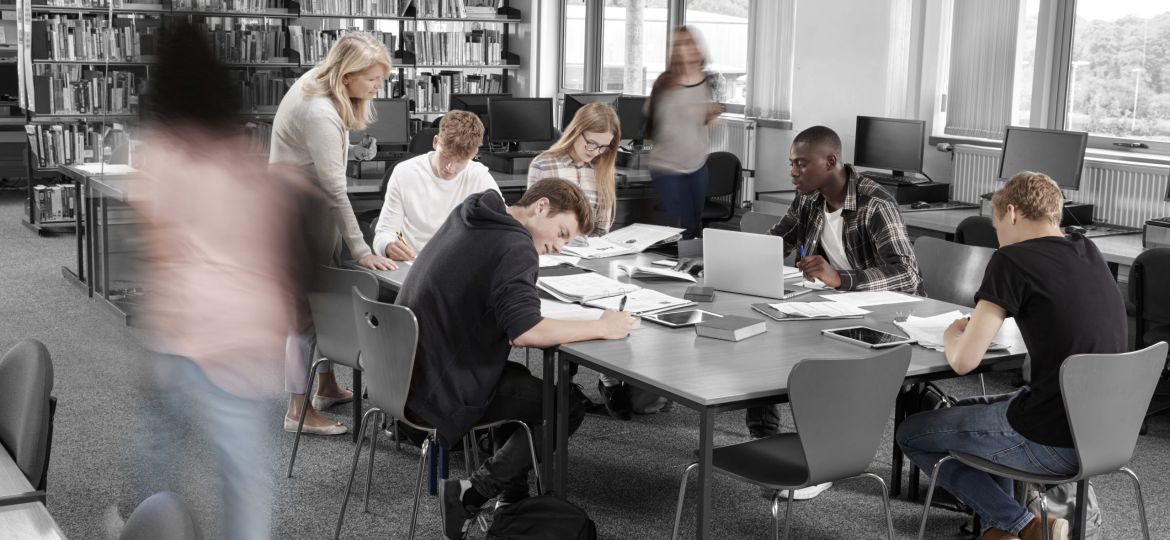
For too long, we have been constructing buildings, not architecture. We have created environments that are deaf and blind to their inhabitants. As Pot argues, this has led to a crisis of agency. Our buildings possess a „unilateral agency“ where technology serves the facility—optimizing for abstract energy models or security protocols—rather than serving the human experience. The user is left as a passive occupant in a rigid shell, excluded from playing a proper role in their own dwelling.
This disconnect is critical because, as architect Lars Spuybroek notes (referenced by Pot), „we live in technology… a separation between us and the world is unbearable.“ In a world where the modern citizen is increasingly „nomadic“—moving fluidly between hybrid workspaces, public hubs, and private homes—static walls are no longer enough to define our place. We need an architecture that moves with us.
The Pulse of the Processual
If architecture is to be a process rather than a product, it requires a feedback loop. It needs a pulse. As Pot quotes Peter Sloterdijk, the architecture of modernity must be „expressed in a processual manner.“
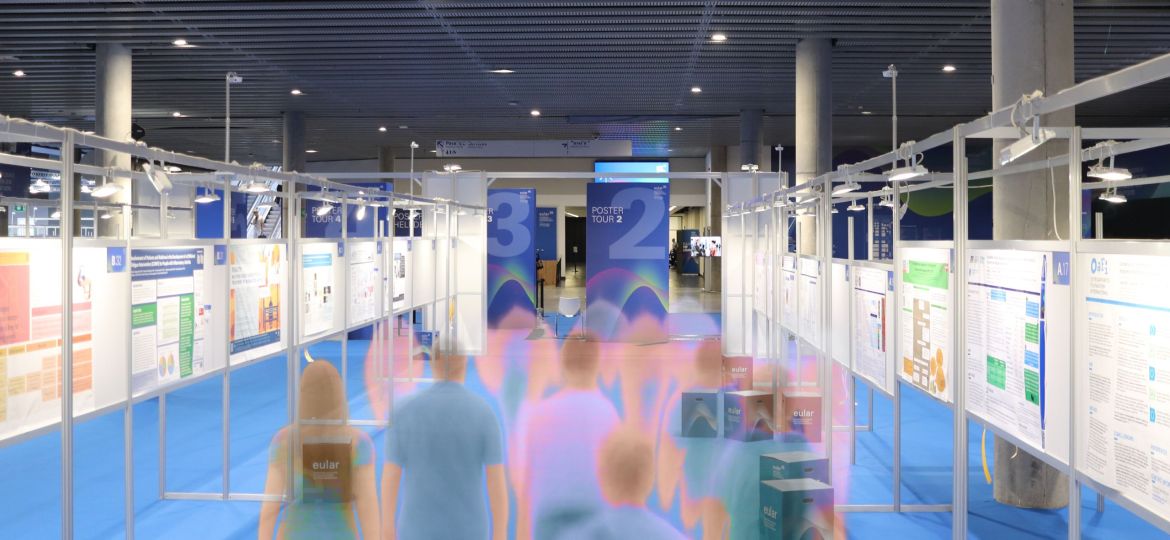
This is where the vision of People Counting transforms from a utility into a philosophy. Max Ruffo, CEO of Terabee, has argued that just as „clicks“ are the fundamental metric of the digital world, people counting is the fundamental metric of the physical world. It is the sensory organ that allows a building to stop „existing“ and start „behaving.“
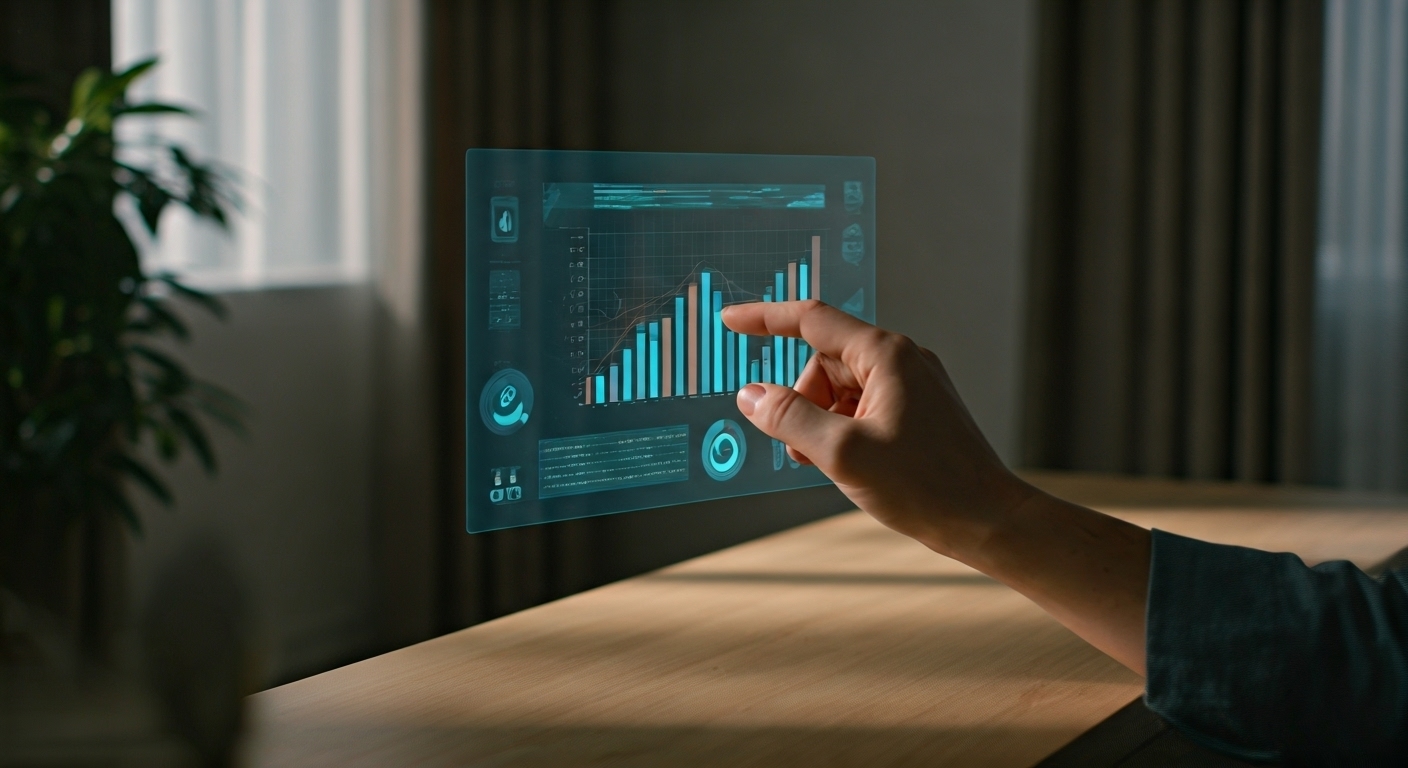
Without data, a building is a static monument. With accurate, real-time occupancy data, a building becomes a living interface. It enables the „re-imagination of what we already have“ (a concept Pot cites from Aaron Betsky), allowing us to continuously adapt our existing structures rather than constantly building new ones.
The Privacy Paradox: Intrinsic Anonymity
However, this technological leap faces a critical hurdle, one that Pot astutely highlights: the fear of the „Monster Leviathan.“ As we fill our spaces with sensors, how do we preserve „the option to protect one’s identity“? How do we ensure that the „nomad“ does not become the „tracked subject“?
Traditional boundaries are failing us. As Beatriz Colomina phrased it, „The wall is a limit, but not simply the limit of a place.“ When physical walls no longer guarantee privacy in a connected world, we need new methods.
The solution is Intrinsic Anonymity.
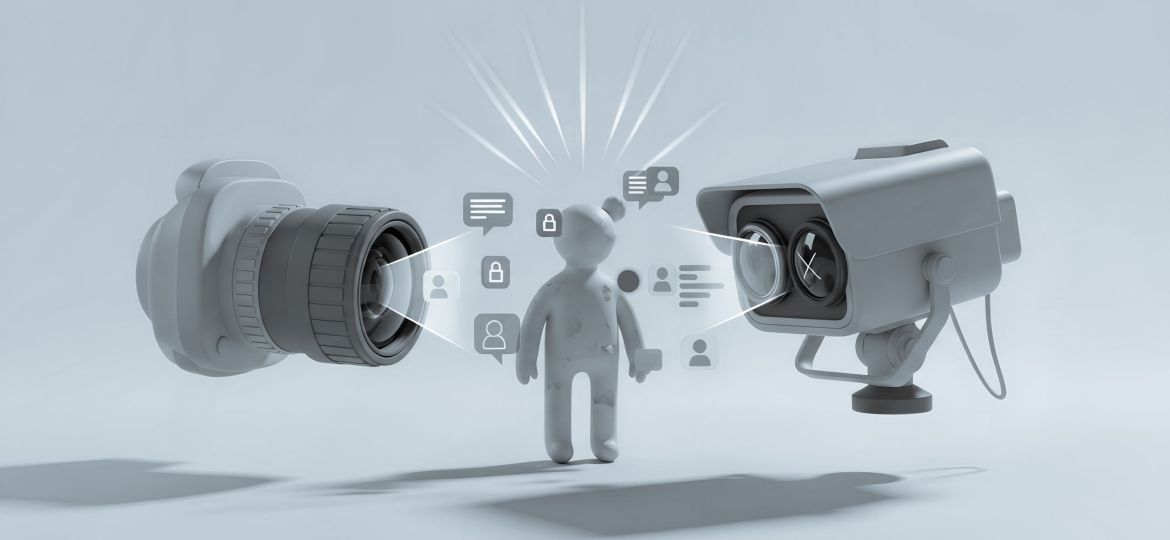
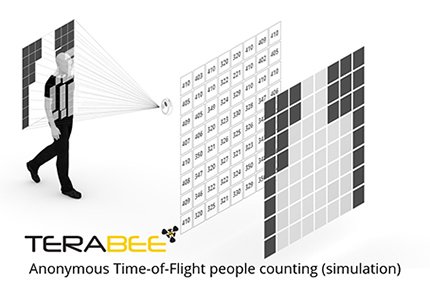
Terabee’s approach uses Time-of-Flight (ToF) technology, which does not „see“ a person in the photographic sense. It sees depth. It measures the time it takes for light to bounce back from a surface, creating a depth map of shapes and movements. It is physically impossible for this sensor to capture a face or read a badge.
This distinction is not merely technical; it is ethical. It resolves the tension between the need for a responsive environment and the right to privacy. It allows us to count the presence of humanity without confiscating the identity of the human.
Restoring Agency through Responsiveness
When we combine the „processual“ need for adaptation with „intrinsic anonymity,“ we achieve something powerful: the restoration of agency.
This directly answers the challenge posed by philosopher Gernot Böhme to „strengthen the position of the experiencing subject.“ Imagine a workspace that adjusts its lighting, airflow, and spatial configuration not based on a pre-set timer, but based on the actual, anonymous presence of people. In this scenario, the user—simply by entering the room—commands the environment. The building adapts to the dweller, not the other way around.
This is the „level playing-field“ Pot calls for. It is an environment where the „wandering man“ finds that the structure supports them without confining them.
Conclusion: From Container to Interface
We must stop viewing people counting as a tool for surveillance or simple capacity management. It is the bridge between the static „Building“ and the fluid „Architecture.“
By deploying sensors that respect intrinsic anonymity, we are not just installing hardware; we are installing a philosophy. We are building the nervous system for a new kind of architecture—one that scratches the earth, adapts to the nomad, and finally gives the user the agency to truly dwell.
The Author: Dr. Max Ruffo is a visionary technology leader with over two decades of experience at the forefront of industrial innovation, having pioneered the introduction of 3D printing, civil drones, autonomous mobile robots and LiDAR sensors. Today, Max is dedicated to a long-term mission of building a better world by championing green buildings and net-zero communities.
The Author: Dr. Max Ruffo is a visionary technology leader with over two decades of experience at the forefront of industrial innovation, having pioneered the introduction of 3D printing, civil drones, autonomous mobile robots and LiDAR sensors. Today, Max is dedicated to a long-term mission of building a better world by championing green buildings and net-zero communities.
References and Links
If the topic is of interest, I advise diving into some interesting research with these key leaders:
Academic Research on Waste and Behavior
- (1) Dr. Shahzeen Attari’s research: Her work at Indiana University focuses on people’s judgments and decisions about climate change and resource use. You can explore her publications and profile at:
https://oneill.indiana.edu/faculty-research/directory/profiles/faculty/full-time/attari-shahzeen.html.
Psychological Concepts (Inattentional and Change Blindness)
- (5) Elizabeth Loftus’s work: Her research on memory, inattentional blindness, and change blindness is foundational to this topic.
- „Planting misinformation in the human mind: A 30-year investigation of the malleability of memory“ (2005): https://pubmed.ncbi.nlm.nih.gov/16027179/
- „Change blindness and eyewitness testimony“ (2010):
https://psycnet.apa.org/record/2010-18400-006
Industry and Policy Resources
- (2) American Council for an Energy-Efficient Economy (ACEEE): This non-profit organization provides extensive technical and policy analyses on energy efficiency in buildings. https://www.aceee.org/
- (3) Air Conditioning Contractors of America (ACCA): This association provides resources and standards for the HVAC industry. https://www.acca.org/
- (4) National Comfort Institute (NCI): NCI offers training and resources to HVAC professionals, with a focus on high-performance and energy-efficient systems. https://www.nationalcomfortinstitute.com/
- (6) Commercial Buildings Energy Consumption Survey (CBECS) by the U.S. Energy Information Administration (EIA).
https://www.eia.gov/consumption/commercial/data/2018/ - (7) Eurostat article „Final energy consumption in services – detailed statistics“ https://ec.europa.eu/eurostat/statistics-explained/index.php?title=Final_energy_consumption_in_services_-_detailed_statistics